Challenges and Solutions in Repairing Historic Bridges
Historic bridges are more than mere transportation structures; they are tangible links to the past, embodying the engineering prowess and aesthetic values of their era. Repairing these bridges involves a unique set of challenges, as engineers must navigate the delicate balance between modern safety requirements and the preservation of historical integrity. This article explores the complexities of renovating such structures, delving into methods that aim to strengthen and restore without compromising their heritage value. By examining the technical difficulties and potential solutions, we highlight the multidisciplinary approach required for these ambitious projects.
The process begins with a thorough understanding of the bridge’s historical significance, current condition, and the regulatory framework that governs its preservation. Each historic bridge presents a case-specific puzzle, demanding tailored solutions that respect its original design while introducing necessary improvements. From material compatibility to load-bearing capacity, every decision carries implications for both the structure’s future and its historical authenticity. As such, bridge repair projects become exercises in compromise and innovation, where the goal is not to rebuild but to rejuvenate.
Understanding the Significance of Historic Bridges
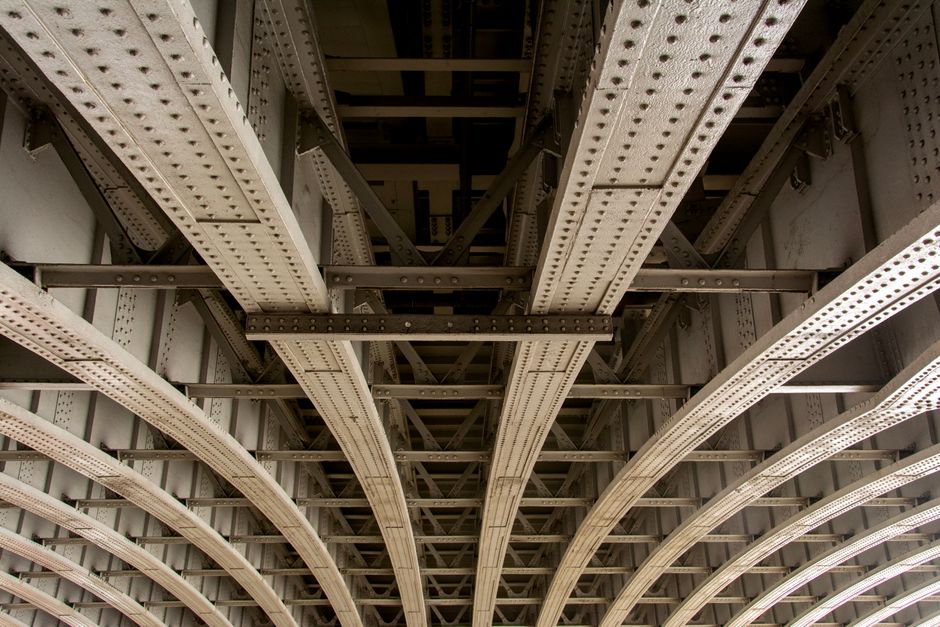
Historic bridges often hold cultural, architectural, or engineering importance, making them eligible for listing on national registers or local heritage listings. Their preservation is typically mandated by regulations that restrict alterations to the character-defining features. These features may include the original materials (such as wrought iron, stone, or early concrete), the overall design (like truss or arch configurations), and even construction techniques. Therefore, any repair strategy must first identify and prioritize these attributes, ensuring that interventions do not diminish the bridge’s heritage value.
Moreover, historic bridges often occupy scenic or community-centric locations, becoming symbols of local identity. In the United States, state and federal agencies, alongside local preservation groups, advocate for maintaining these structures not just as functional assets but as educational and aesthetic resources. This adds another layer of complexity to repair projects, as stakeholder expectations and public perception must be considered alongside technical feasibility. Ultimately, the significance of a historic bridge extends beyond its physical form, influencing the approach to any restoration endeavor.
Technical and Logistical Hurdles in Restoration
One of the foremost technical challenges is assessing the actual load-bearing capacity of an aged structure, which may have deteriorated due to decades of use, environmental exposure, or inadequate maintenance. Advanced non-destructive testing methods, such as ground-penetrating radar or ultrasonic testing, are often employed to evaluate the internal condition without harming the fabric. However, interpreting this data requires expert knowledge, as historic materials may behave differently from modern ones, and original design assumptions may no longer be valid.
Another significant hurdle is material mismatch. Replacing a decayed stone or a rusted wrought iron member with modern equivalents can create problems due to differing mechanical properties or expansion coefficients, leading to stress concentrations. Similarly, using modern high-strength concrete for repairs might alter the load distribution and affect the original structural system. Consequently, engineers often prefer to source compatible materials, which may involve custom fabrication or salvaging from other sites, increasing cost and lead time.
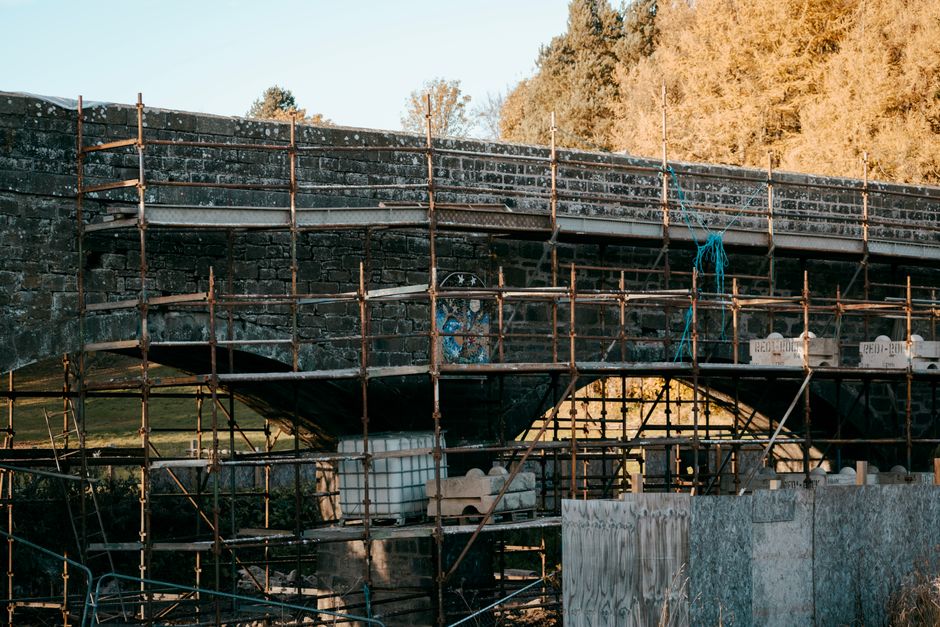
Logistically, historic bridge sites often have restricted access, especially if they cross rivers or deep valleys. The need to minimize disruption to traffic and the surrounding environment, combined with the limitations of heavy equipment near fragile structures, demands meticulous planning. Additionally, project timelines may be extended due to the need for specialized permits and the iterative review process involving preservation authorities. These factors contribute to the overall complexity, but they are essential considerations for successful restoration.
Preservation and Strengthening Techniques
To address the identified deficiencies while respecting the bridge’s heritage, several sophisticated techniques have been developed. One common approach is the use of externally bonded fiber-reinforced polymers (FRP) to enhance the flexural or shear capacity of girders and beams. FRP is lightweight, corrosion-resistant, and can be shaped to fit existing members, minimizing changes to the bridge’s appearance. However, its application requires careful surface preparation and adherence to specific design guidelines, and it must be protected against environmental degradation.
Another method involves the addition of supplemental structural elements, such as steel bracing or post-tensioned cables, which can be positioned to minimize visual intrusion. These systems can redirect loads, relieve stress on weakened components, and improve overall stability. In some cases, the original structural system may be supplemented with a new, independent support system that takes over some load transfer while the historic fabric retains its aesthetic role. This hybrid approach demands careful analysis to ensure compatibility and avoid unintended stresses.
When materials must be replaced, techniques like scarf joints or epoxy resin injections can be used. Scarfing allows the removal of damaged timber while preserving the original profile, and the new wood can be matched in species and finish. For concrete, the use of shrinkage-compensating mortars and careful curing protocols can mitigate cracking. These measures aim to preserve as much original material as possible, which is a core preservation principle. It is important to note that the effectiveness of these techniques is highly dependent on proper implementation and ongoing monitoring.
Adaptive Reuse and Modernization
In some cases, full preservation of the original design is not feasible, especially if the bridge no longer meets traffic demands or safety standards. Adaptive reuse, where the bridge is repurposed for lighter loads or as a pedestrian walkway, can be a viable solution. This approach preserves the visual heritage while eliminating the need for major structural upgrades. Alternatively, the bridge may be supplemented with a parallel modern structure, leaving the historic span in place as a landmark or a public space. These strategies exemplify how heritage and modern needs can coexist.
Regardless of the chosen approach, the integration of modern safety features, such as improved railings, lighting, and drainage, must be done sensitively. Designers can choose fixtures that complement the original style or use minimalist designs that do not distract from the bridge’s character. With careful planning, these additions can enhance the usability and longevity of the bridge without undermining its historical significance. The key is to ensure that any modernization is reversible or minimally invasive, allowing for future interventions if needed.
Case Studies and Best Practices
Examining successful restoration projects across the United States reveals common best practices. One notable example is the rehabilitation of a historic wrought iron bridge, where a combination of non-destructive testing and advanced structural modeling informed the repair plan. The project involved replacing corroded members with duplicates made of weathering steel, matching the original dimensions and connections, while also adding a sacrificial anodic protection system to prevent future corrosion. The outcome maintained the bridge’s aesthetic and structural integrity.
Another case involved a concrete arch bridge where concrete spalling was addressed using a combination of patching with compatible materials and the installation of a impressed current cathodic protection system to halt corrosion of embedded reinforcement. This approach not only repaired the damage but also extended the service life. Such examples illustrate that with careful research and collaboration between engineers, historians, and craftsmen, it is possible to achieve both preservation and performance.
Best practices emphasize the importance of comprehensive documentation, including historical research, condition surveys, and structural analyses. Early engagement with preservation authorities ensures that concerns are addressed proactively. Moreover, establishing a maintenance plan after restoration can prevent future deterioration and reduce the need for more invasive interventions later. These practices are essential for balancing the technical and preservation goals.
Conclusion
Repairing historic bridges is a complex endeavor that merges engineering expertise with historical stewardship. The challenges range from diagnosing the structural health of aged materials to reconciling modern safety codes with preservation mandates. Yet, the solutions exist, spanning from innovative strengthening techniques to careful material replacement and adaptive reuse. The success of these projects relies on a multidisciplinary, collaborative approach that respects the bridge’s heritage while ensuring its continued usefulness. As we advance, the lessons learned from these undertakings will guide us in preserving the built legacy for future generations. Balancing preservation with modernization is not a simple task, but with diligence and creativity, it is achievable.
In the field of historic bridge engineering, the ultimate objective is not to erase time but to safely extend it.