How to Choose the Right Bridge Design for Your Project
Selecting an appropriate bridge design is a multifaceted process that requires careful consideration of numerous technical, environmental, and economic factors. Engineers must evaluate the specific requirements of each project, including the intended function, the characteristics of the site, and the available resources. This guide provides an overview of the key elements that influence bridge design decisions, offering a systematic approach to choosing a structural system that aligns with project goals.
The choice of bridge type has profound implications for construction costs, maintenance needs, and long-term performance. While experience and intuition play a role, a structured evaluation of parameters such as span length, anticipated loads, and geotechnical conditions can lead to more informed decisions. This article outlines critical factors to consider and presents a framework for comparing common bridge types, without prescribing a one-size-fits-all solution.
Understanding Key Design Factors
Several core parameters shape the selection of a bridge design. These include the required span length, the magnitude and distribution of loads, site-specific conditions, and budget constraints. Each factor interacts with others, so the design process must weigh them collectively.
Span length is a primary determinant of feasible structural systems. Short spans, typically under 50 feet, may be efficiently accommodated by simple beam or slab bridges. Medium spans, ranging from 50 to 200 feet, often suit girder bridges or concrete box girders. For longer crossings, truss, arch, cable-stayed, or suspension bridges become viable alternatives. Longer spans generally require more complex systems to manage bending moments and deflections.
Traffic loads, including vehicle weights, frequency, and dynamic effects, dictate the required strength and durability. Heavier loads, such as those from trucks or rail traffic, demand robust materials and larger member sizes. Additionally, environmental loads like wind, seismic activity, and temperature variations must be considered, as they can significantly affect design.
Site conditions encompass geotechnical properties, water depth, and clearance requirements. Soil bearing capacity influences foundation design, while navigational or flood requirements may impose minimum clearances. The availability of construction access and the need to minimize disruption to existing traffic also factor into the decision.
Common Bridge Types and Their Characteristics
Familiarity with the structural behavior and typical applications of common bridge types aids in making an informed choice. Each type offers distinct advantages and constraints that align with certain project profiles.
Beam bridges are among the simplest and most economical options for short spans. They consist of horizontal beams supported at each end, transferring loads vertically to substructures. Their straightforward construction makes them suitable for overpasses and small stream crossings. However, their span capability is limited, and longer spans require deeper sections that may affect aesthetics or clearance.
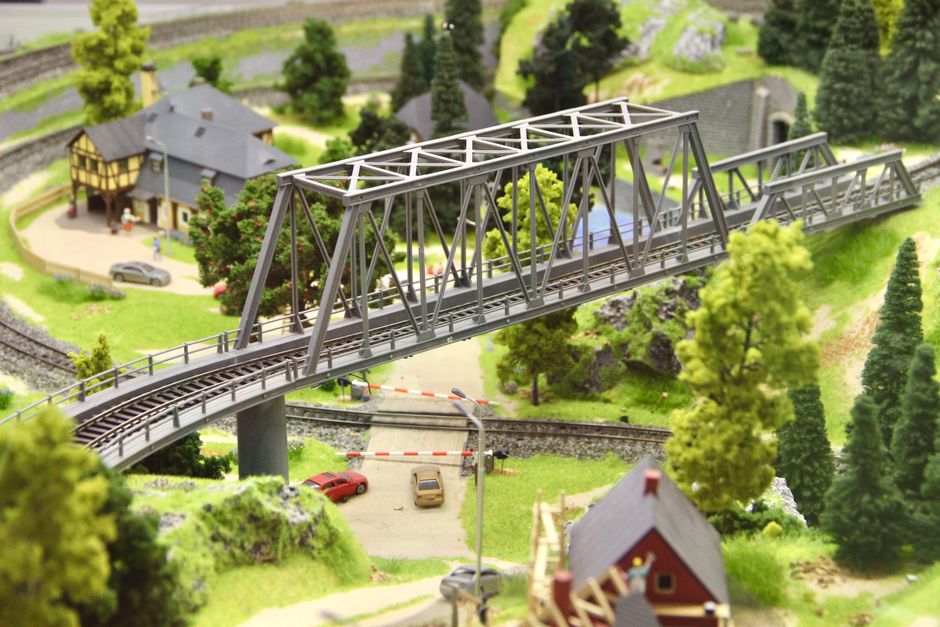
Truss bridges, with their triangulated framework, distribute loads efficiently and can achieve medium to long spans. They are often used for railway bridges due to their high rigidity. Truss designs can be visually distinctive but may require extensive maintenance of connections.
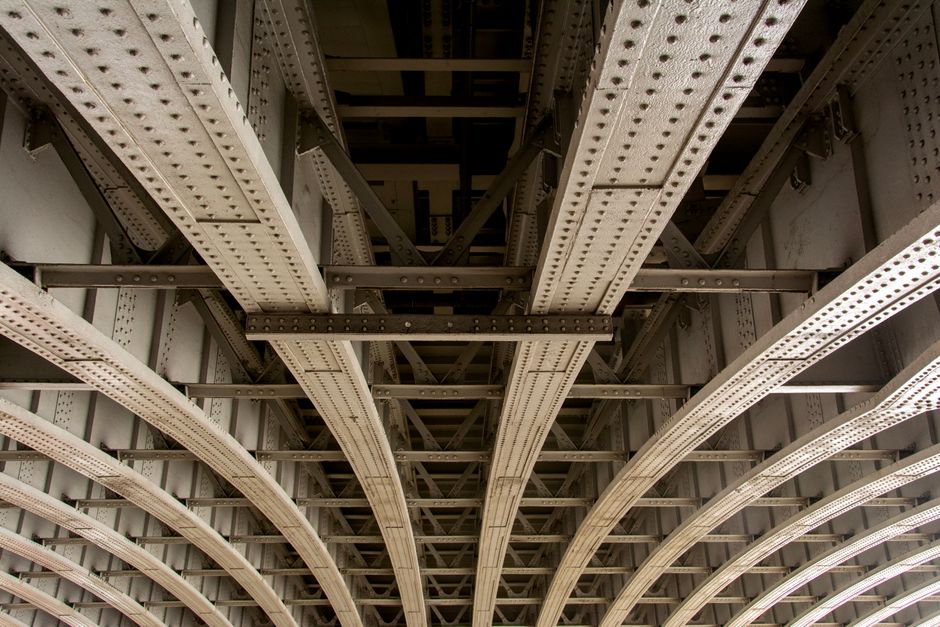
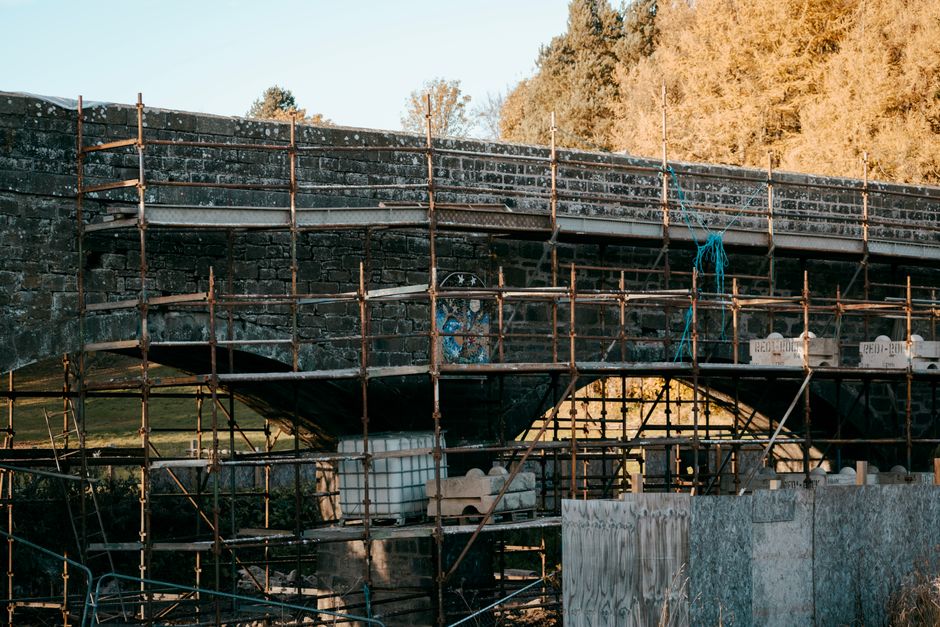
Arch bridges derive strength from their curved shape, transmitting loads into horizontal thrust at the abutments. They are aesthetically pleasing and can span longer distances than beam bridges, but they require solid foundations to resist lateral forces. Arch designs are particularly suited to valleys or waterways with stable rock.
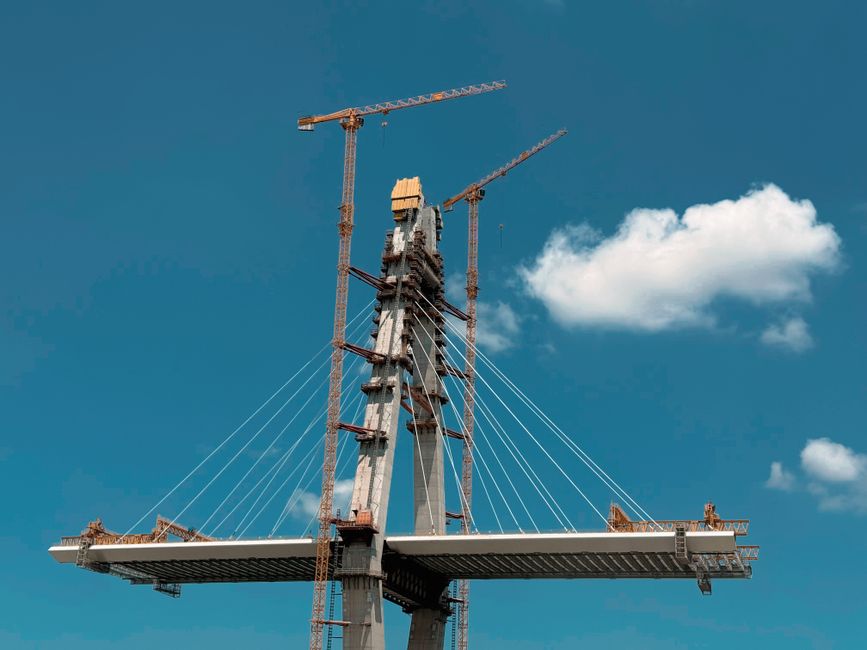
Cable-stayed bridges and suspension bridges are used for very long spans. Cable-stayed bridges feature towers from which cables support the deck, offering a balance of economy and structural efficiency. Suspension bridges, with their suspended cables and anchorages, can cover even longer spans but are more complex and costly to construct.
Matching Design to Project Requirements
Rather than ranking bridge types as inherently superior, selection should match the design to the specific demands of the project. A systematic approach involves evaluating each alternative against the identified constraints and performance criteria.
For a project with a clear span of 100 feet and moderate traffic, a prestressed concrete girder bridge may be an economical choice, whereas a steel girder option might be preferred if rapid construction is critical. If the site has deep water and a shipping channel requiring a clear height, a cable-stayed or suspension bridge might become necessary, despite higher costs.
Life-cycle considerations also play a role. While initial construction costs are important, maintenance and rehabilitation expenses over the bridge’s service life can influence the total cost of ownership. Materials with higher durability, such as corrosion-resistant steel or high-performance concrete, may reduce long-term maintenance but could increase upfront investment.
The Role of Professional Judgment and Analysis
Engineering judgment and detailed analysis are integral to the final selection. Preliminary designs for shortlisted bridge types are developed, and structural analyses are performed to verify adequacy under various load combinations. Feasibility studies may also examine construction methods, environmental impacts, and community acceptance.
During this process, engineers rely on established codes and standards, such as those from AASHTO, to ensure safety and serviceability. However, these codes provide minimum requirements, and project-specific conditions may warrant higher performance levels. Collaboration among structural, geotechnical, and construction engineers helps refine the design and anticipate challenges.
It is essential to recognize that no design can guarantee absolute performance; outcomes depend on the fidelity of design assumptions, quality of construction, and future maintenance. Decisions are made within a framework of uncertainty, and alternatives should be evaluated with this in mind.
Conclusion
Selecting the right bridge design is a nuanced process that requires balancing technical, economic, and aesthetic factors. By thoroughly assessing span length, loads, site conditions, and long-term objectives, engineers can narrow down viable structural systems. The expertise of professionals, combined with iterative analysis, enables the selection of a design that is both functional and sustainable for the project’s context.
Ultimately, the decision should be based on a comprehensive evaluation of alternatives, with an understanding that each project is unique. BridgeWorks Engineering approaches these projects with a focus on methodological rigor, ensuring that all relevant factors are considered in the decision-making process. The outcome of any bridge project is shaped by a multitude of variables, and a thoughtful selection process contributes to a well-adapted solution.